
The Best and Worst Top-10 Picks in NFL Draft History
Part 1 of a 3-part series leading up to the 2026 NFL Draft
If your favorite team is in line to make a top 10 selection in the upcoming NFL Draft, it’s likely the franchise has already laid bare its plans for a brighter future. And these plans probably heavily rely on nailing that first-round pick.
That’s because when teams pick the right players at the top of the draft — say a franchise quarterback, dominant edge rusher, or prototypical left tackle — other elements of their strategies tend to fall into place. That single player can seemingly reset the direction of a franchise, help fill seats in the stadium, buy the GM some time to build, and give a fan base a reason to believe in their team again.
But these tops picks come with a dark side, and we all know what it is. Just as the right pick can serve as a keystone for positive change, selecting the wrong player can cause the most well-designed rebuilds to crumble in a heap.
For every “safe pick” in the NFL Draft, there’s a “generational talent” who never quite develops into the player everyone envisioned.
With this year’s NFL Draft approaching, we decided to look back at the top picks in previous drafts. Who were the best and the worst players ever taken in each top 10 selection? The answers say a lot about how unpredictable the draft really is.
Pick No. 1: The Highest of Highs and Lows
Best No. 1 Pick: Peyton Manning, QB, Colts (1998)
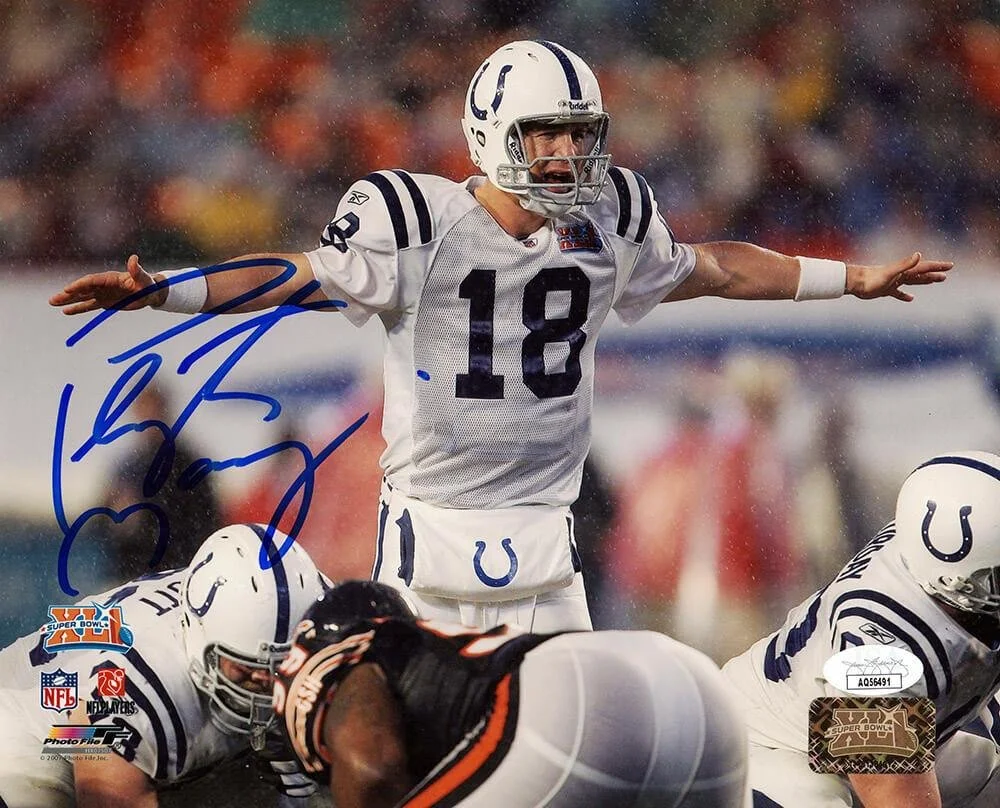
When the Colts held the No. 1 pick in 1998, the debate wasn’t whether Peyton Manning was good. It was whether he was the right choice over the more physically gifted Ryan Leaf.
Manning didn’t have the biggest arm in the draft, but he was considered the most prepared quarterback prospect teams had seen in years, essentially a coach on the field at Tennessee.
The Colts chose intelligence, preparation, and leadership over raw tools, and it changed the franchise. Besides the pitch man with the dry humor we know today, Manning played 18 years and became a five-time MVP, a Super Bowl champion in Indianapolis, and the player who defined the Colts for more than a decade.
Why it worked: Manning's preparation, leadership, and football IQ translated immediately and only grew with experience.
Worst No. 1 Pick: JaMarcus Russell, QB, Raiders (2007)
The Raiders drafted JaMarcus Russell with the first overall pick in 2007. His size, arm strength, and a dominant Sugar Bowl performance at LSU had scouts convinced he could be a franchise quarterback.
Instead, conditioning issues, work ethic concerns, and inconsistency almost immediately derailed his career. The Raiders moved on within three seasons, and the miss set the franchise back years at the most important position in sports.
Why it failed: Physical tools without professional discipline rarely translate, regardless of how gifted the prospect.
Pick No. 2: A Legend and a Warning
Best No. 2 Pick: Lawrence Taylor, LB, Giants (1981)
This turned out to be an easy pick for the Giants. With the second overall pick, New York drafted Lawrence Taylor in 1981 because they believed he was the best defensive player in the country, regardless of position. Turns out they were right.
At North Carolina, Taylor was already known for his speed off the edge and his ability to disrupt plays in the backfield, something that was still relatively new for linebackers at the time. What the Giants may not have fully known was that Taylor would change how defense was played.
As a pro, Taylor became a three-time Defensive Player of the Year, an MVP, the most disruptive defensive force of his era, and a true NFL great. He entered the NFL Hall of Fame in 1999.
Why it worked: Taylor elevated an entire defensive unit and fundamentally altered how the position was played.
Worst No. 2 Pick: Ryan Leaf, QB, Chargers (1998)
While it’s almost impossible to believe in retrospect, some teams actually rated Ryan Leaf as the most physically talented quarterback in the 1998 NFL Draft. Holding the second pick, the Chargers believed his arm strength and confidence would translate into a franchise player.
Instead, poor performance, injuries, and well-documented maturity issues quickly unraveled his career. The Chargers spent years trying to recover at quarterback while the player taken just ahead of him, Peyton Manning, became a Hall of Famer.
Why it failed: Confidence without accountability, and physical gifts without the work ethic to develop them.
Pick No. 3: A Heisman Winner and a Missed Opportunity
Best No. 3 Pick: Barry Sanders, RB, Lions (1989)
By the time the 1989 draft arrived, Barry Sanders was already one of the most electrifying college players ever having just completed a season at Oklahoma State where he rushed for 2,628 yards and won the Heisman Trophy.
The reason he didn’t go No. 1 or No. 2 had more to do with team needs than talent. Needless to say, Detroit happily took him at No. 3, and the rest is history.
Sanders immediately stood out in the NFL for his vision and balance. He could stop, cut, and accelerate in ways defenders weren’t built to handle. As a pro, he became a 10-time Pro Bowler and one of the most elusive runners the game has ever seen.
And most agree that had he not retired when he was 31 and still producing, he’d likely have become the NFL’s most productive running back ever. Still, he made the Pro Football Hall of Fame the first year he was eligible (2004).
Why it worked: Pure, once-in-a-generation talent that showed up on day one and never faded.
Worst No. 3 Pick: Akili Smith, QB, Bengals (1999)
The Bengals drafted Akili Smith third overall in 1999 based on his physical tools and a strong final season at Oregon. They truly believed they’d found their future quarterback, even turning down a massive trade offer to keep the pick.
But unfortunately for Cincinnati, Smith struggled to adjust to the NFL. He threw just five touchdown passes in his career, and the first-round swing and miss kept the Bengals searching for stability at quarterback for years.
Why it failed: A strong college finish and athletic ability masked significant questions about NFL readiness.
Pick No. 4: Sweetness and a "Safe Pick" That Wasn't
Best No. 4 Pick: Walter Payton, RB, Bears (1975)
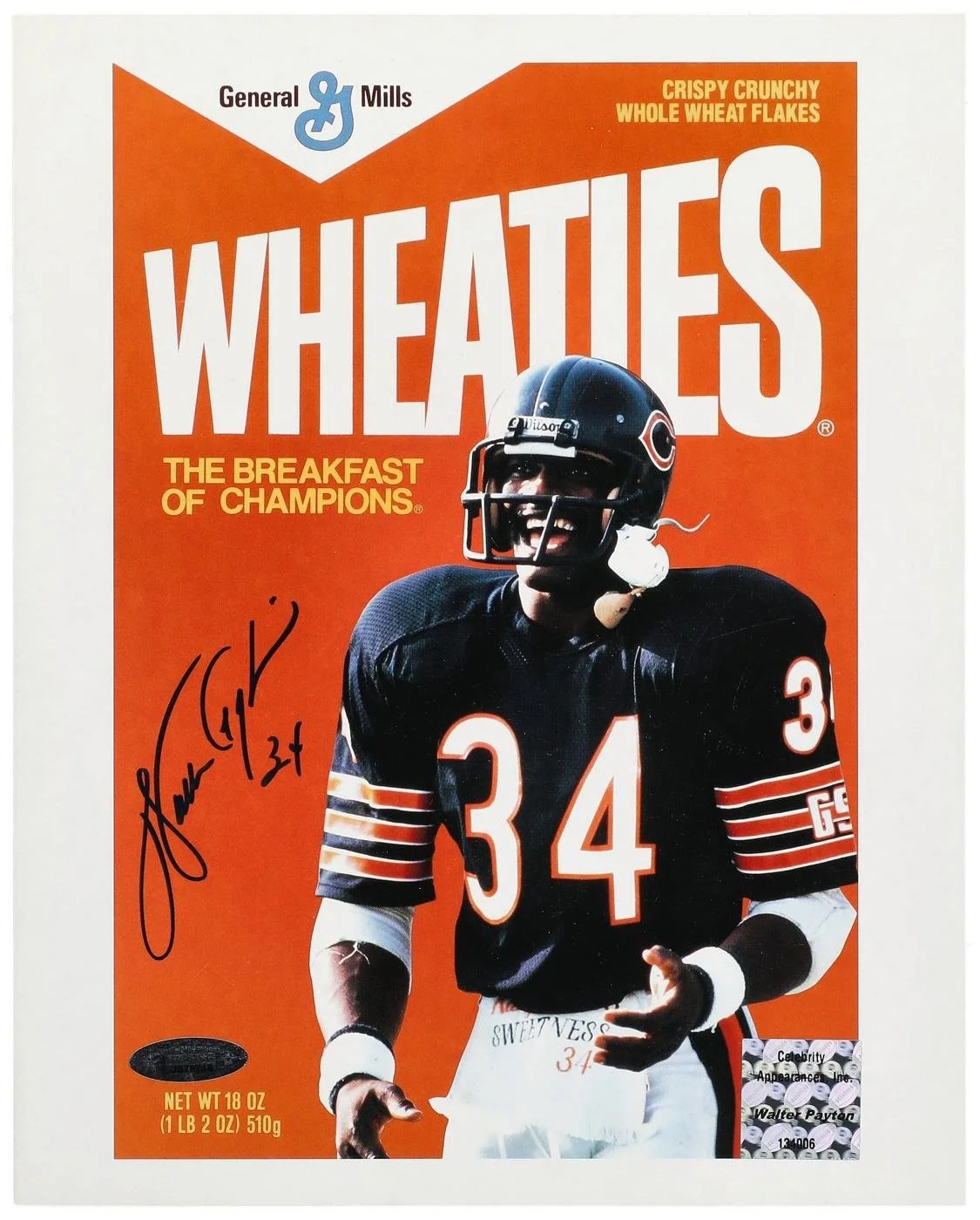
Coming out of Jackson State in 1975, Walter Payton didn’t face the same level of competition as players from major programs, which is part of why he lasted until the fourth pick. But scouts loved his conditioning, balance, and relentless running style.
The Bears were a struggling franchise at the time and needed an identity, and Payton quickly became it. He could run inside, run outside, catch, and block, and he rarely came off the field. He even passed for eight touchdowns in his career.
The 1993 Pro Football Hall of Fame inductee retired as the NFL’s all-time leading rusher and one of the best overall football players of all time, defining toughness and durability for a generation.
Why it worked: Payton's conditioning and competitiveness extended a dominant career well beyond what his college program suggested was possible.
Worst No. 4 Pick: Aaron Curry, LB, Seahawks (2009)
When the Seahawks drafted Aaron Curry fourth overall in 2009, he was widely considered the safest pick in the draft. Seattle expected the productive, fundamentally sound linebacker from Wake Forest would start in Seattle for a decade.
Instead, Curry struggled to make an impact, was traded after just a few seasons, and never matched expectations. Missing on a “safe” top five pick forced Seattle to keep rebuilding its defense until the next wave of talent arrived a few years later.
Why it failed: Being a safe prospect in college doesn't guarantee impact at the professional level, where athleticism and scheme fit both matter.
Pick No. 5: Primetime and a Promising Career Cut Short
Best No. 5 Pick: Deion Sanders, CB, Falcons (1989)
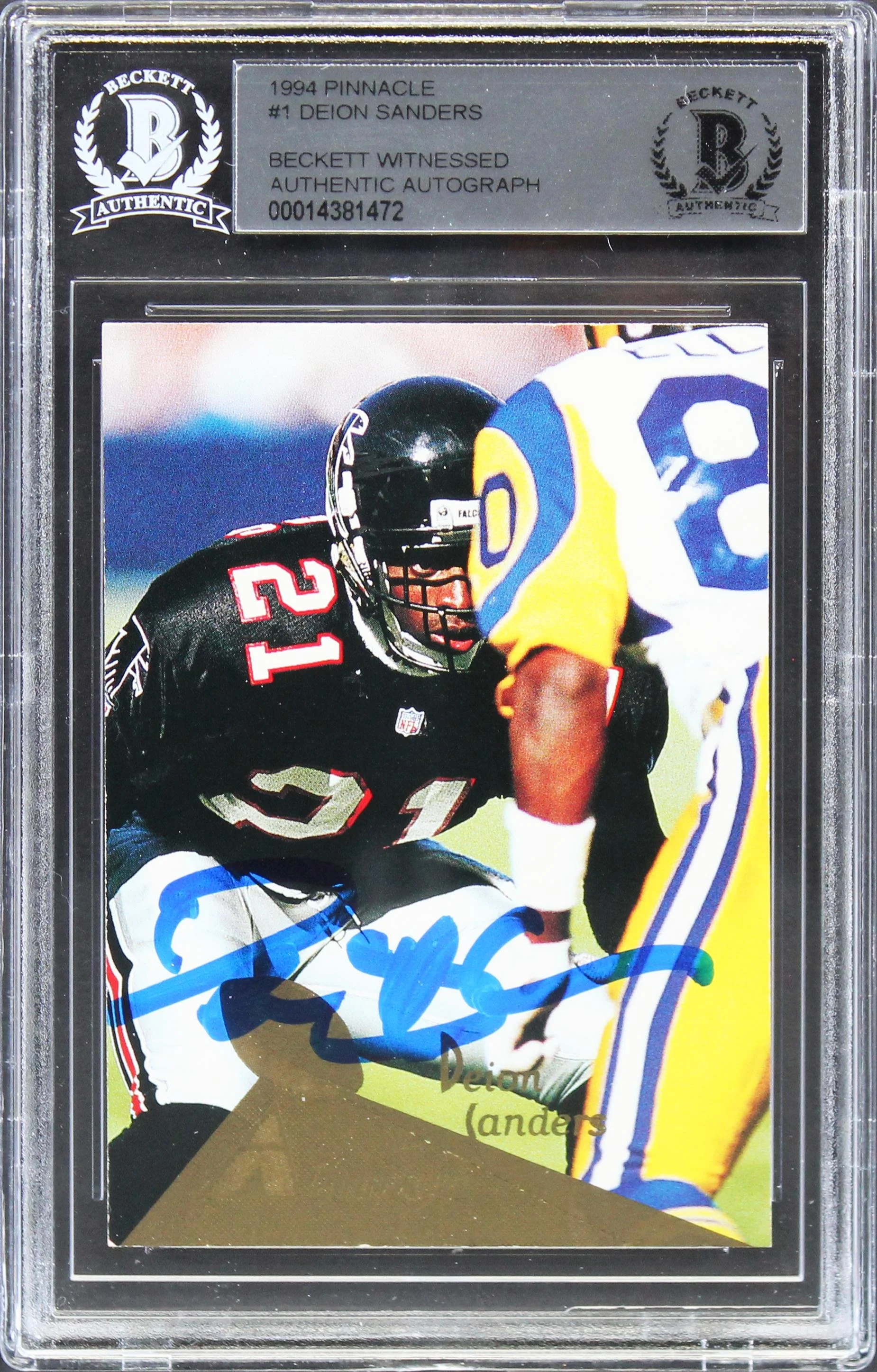
By 1989, Deion Sanders was already one of the most famous athletes in the country. At Florida State, he was a shutdown corner, an electric returner, and a player who could change a game in one play.
Some teams were hesitant because of his confidence (or “cockiness,” as some might say) and his interest in playing baseball. This helped push him to No. 5, where Atlanta gladly took the gamble on pure speed and playmaking ability. And it paid off.
Playing for five different teams in his career, Sanders became one of the greatest cornerbacks in NFL history, a two-time Super Bowl champion (with the 49ers and Cowboys), and a player who could shut down an entire side of the field. He was inducted into the Hall of Fame in 2011.
Why it worked: Elite athleticism and elite competitiveness, backed by a player who made every team he joined better.
Worst No. 5 Pick: Justin Blackmon, WR, Jaguars (2012)
At Oklahoma State, Justin Blackmon was one of the most productive receivers in college football, a big, physical target who looked like a safe bet to become a No. 1 receiver in the NFL. So, few were surprised when Jacksonville traded up to draft him fifth overall hoping to give their young offense a centerpiece.
While he put together decent stats and a couple of monster games in his one-plus year as a pro, repeated off-field issues and suspensions derailed his career. Instead of building around Blackmon, the Jaguars were forced to keep rebuilding their offense, including a search for another true No. 1 receiver.
Why it failed: Off-field decisions erased on-field promise, a recurring theme in top-10 draft mistakes.
Pick No. 6: A Franchise Left Tackle and a Combine Mirage
Best No. 6 Pick: Walter Jones, OT, Seahawks (1997)
At Florida State, Walter Jones was known for something scouts rarely said about offensive linemen: he made the position look easy.
He was unusually quick for his size, rarely needed help in pass protection, and had the kind of footwork teams look for in a long-term left tackle. Quarterbacks were still going early in the 1997 draft, which is part of why Jones was available at No. 6, but Seattle saw him as a franchise cornerstone.
He became exactly that, protecting quarterbacks for over a decade and earning a reputation as one of the best left tackles of his era. He was a nine-time Pro Bowler, a member of the NFL 100th Anniversary All-Time Team, and entered the Pro Football Hall of Fame in 2014.
Why it worked: Jones was a rare combination of size, athleticism, and technique that translated directly from college to the pros.
Worst No. 6 Pick: Vernon Gholston, DE, Jets (2008)
Few players looked as physically gifted to excel at his position as Vernon Gholston coming out of Ohio State. He was big, fast, and incredibly strong, and his domination at the NFL Combine helped push him into the top 10.
Expecting an immediate pass-rushing force, the Jets drafted him sixth overall. But his college success never translated to the NFL. Gholston finished his Jets career with zero sacks over three years, leaving a major hole in the Jets’ defense. Though briefly signed later by the Bears and the Rams, Gholston would never play another down in the NFL.
Why it failed: Combine athleticism is not the same as pass-rush instinct, and no amount of raw physical talent compensates for the inability to consistently beat NFL offensive linemen.
Pick No. 7: All Day and a Career Derailed by Injury
Best No. 7 Pick: Adrian Peterson, RB, Vikings (2007)
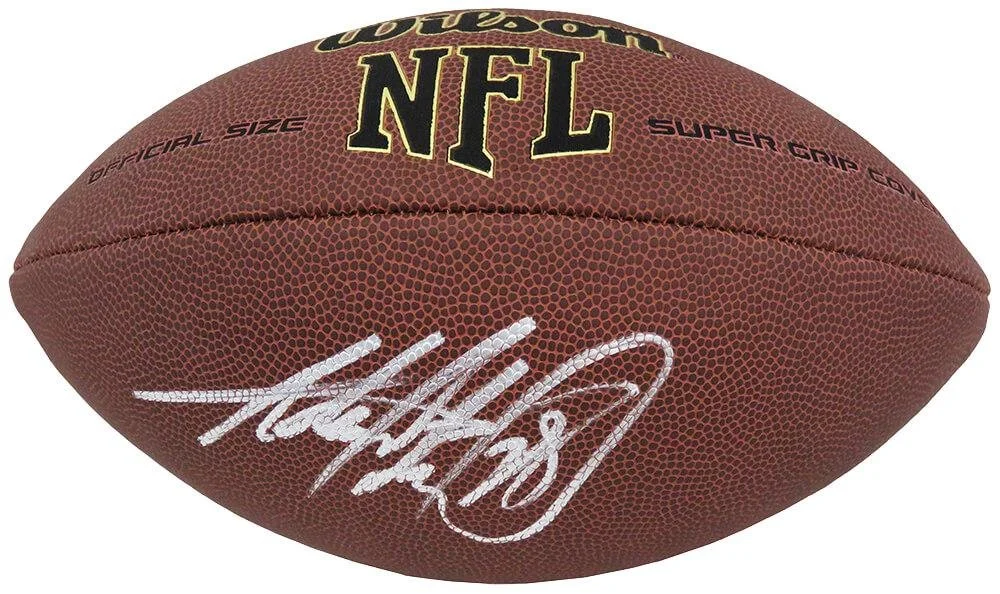
In 2007, some teams hesitated on Adrian Peterson because of an injury history at Oklahoma, which is part of why a player with his talent was still available at No. 7.
But when he was healthy in college, he looked like the prototype NFL running back, big, fast, and able to run through or past defenders. So, Minnesota didn’t overthink it, taking him with the seventh pick in ’07.
Peterson made an immediate impact, rushing for more than 1,300 yards as a rookie and later putting together one of the greatest seasons in league history during his 2012 MVP year, when he fell just short of the single-season rushing record.
Why it worked: Peterson's talent was undeniable; Minnesota simply trusted their evaluation over their concern.
Worst No. 7 Pick: Kevin White, WR, Bears (2015)
In 2015, the Bears drafted Kevin White seventh overall because of his size, speed, and breakout season at West Virginia. He truly looked like a prototype No. 1 receiver, exciting Chicago fans longing for some pass-catching stability on the offensive side of the ball.
Unfortunately, a series of injuries limited him almost immediately, and he played only a handful of games throughout his career. His final career stat line: 27 games, 28 receptions, 397 yards, and no touchdowns.
Why it failed: Injury is an uncontrollable variable in the NFL, but White's inability to stay healthy at any point in his career made the pick one of the most disappointing in recent Bears history.
Pick No. 8: A 49ers Legend and a Browns Miscalculation
Best No. 8 Pick: Ronnie Lott, DB, 49ers (1981)
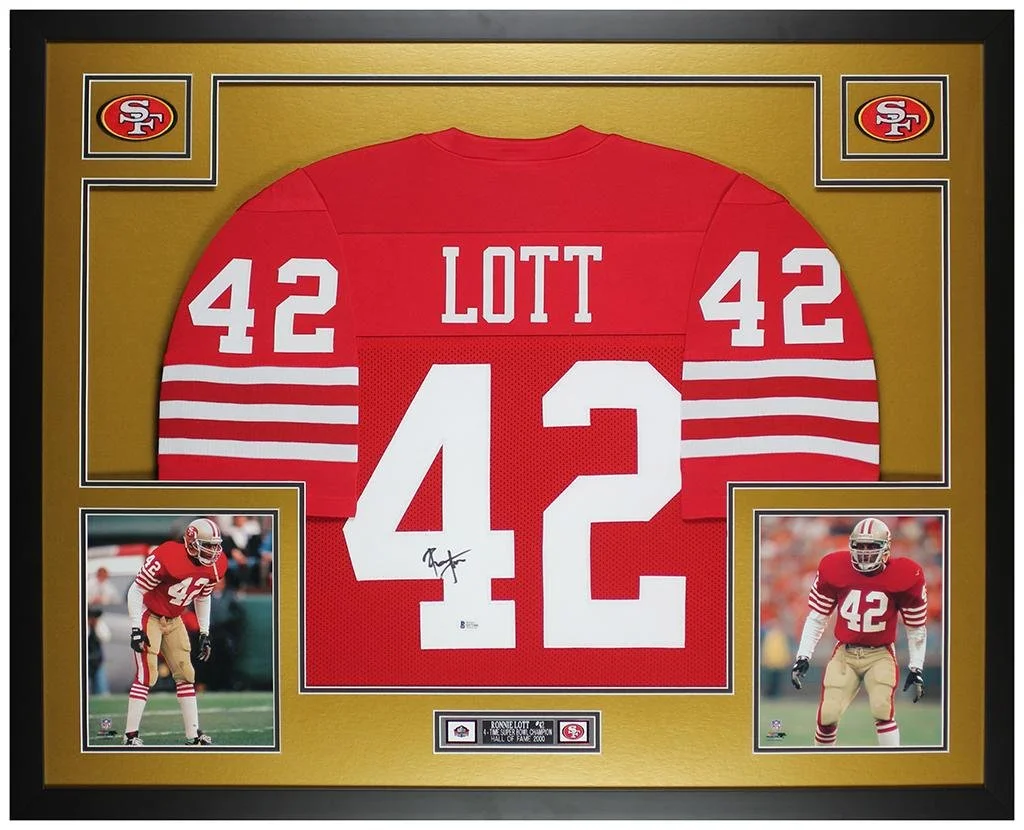
At USC, Ronnie Lott built a reputation as a hard-hitting defensive back who could cover, tackle, and play multiple positions in the secondary. In 1981, defensive backs didn’t always go at the very top of the draft, which is part of why he was still available for the 49ers at No. 8.
San Francisco was building a defense to complement a young offense led by Joe Montana, and Lott quickly became one of the leaders of that unit. He helped anchor a defense that won multiple Super Bowls and became known as one of the most physical and complete defensive backs in NFL history.
Over his career, he made 10 Pro Bowls, earned eight First-Team All-Pro selections, and became one of the most respected defensive backs in NFL history before entering the Pro Football Hall of Fame in 2000.
Why it worked: Lott's football intelligence and versatility made him invaluable at every stage of his career.
Worst No. 8 Pick: Justin Gilbert, CB, Browns (2014)
Intrigued by his speed, return ability, and playmaking at Oklahoma State, Browns drafted Justin Gilbert eighth overall in 2014. He looked like a modern NFL corner who could lock down receivers and change field position on special teams.
But while Cleveland hoped he would become a cornerstone of the secondary, struggles with consistency and professionalism quickly pushed him down the depth chart. He was traded after two seasons, and the Browns were forced to fill a major hole on defense.
Why it failed: Pure athleticism without the discipline to build on it rarely survives the early years of an NFL career.
Pick No. 9: A 19-Year Career and a Three-Season Disappointment
Best No. 9 Pick: Bruce Matthews, OL, Oilers (1983)
Coming out of USC, Bruce Matthews was viewed as one of the most technically sound linemen in the draft. But offensive linemen rarely generated the same kind of headlines as quarterbacks or skill players, so he fell to No. 9 in the draft.
That suited Houston just fine. The Oilers were looking for stability on the offensive line, and Matthews provided that in dominating fashion. Over a 19-year career, he played every position on the line, made 14 Pro Bowls, and became known for his durability and consistency.
He was inducted into the Pro Football Hall of Fame in 2007, the kind of long-term cornerstone teams hope to find in the top 10.
Why it worked: Matthews combined positional versatility with elite technique, giving the Oilers a franchise-level investment that paid dividends for nearly two decades.
Worst No. 9 Pick: Dee Milliner, CB, Jets (2013)
Coming out of Alabama, Dee Milliner was viewed as one of the most NFL-ready defensive backs in the draft — a physical corner who had played against top competition in the SEC.
The Jets drafted him ninth overall expecting him to do the same in the NFL, and he showed promise as a rookie. But the injury bug seemed to feel at home with the young cornerback, limiting his time on the field. His career ended after three seasons, 21 games, and three total interceptions.
Why it failed: Even the most polished prospects can see their careers derailed by injury, and Milliner never had enough healthy time to develop.
Pick No. 10: A Superstar and a Swift Exit
Best No. 10 Pick: Patrick Mahomes, QB, Chiefs (2017)
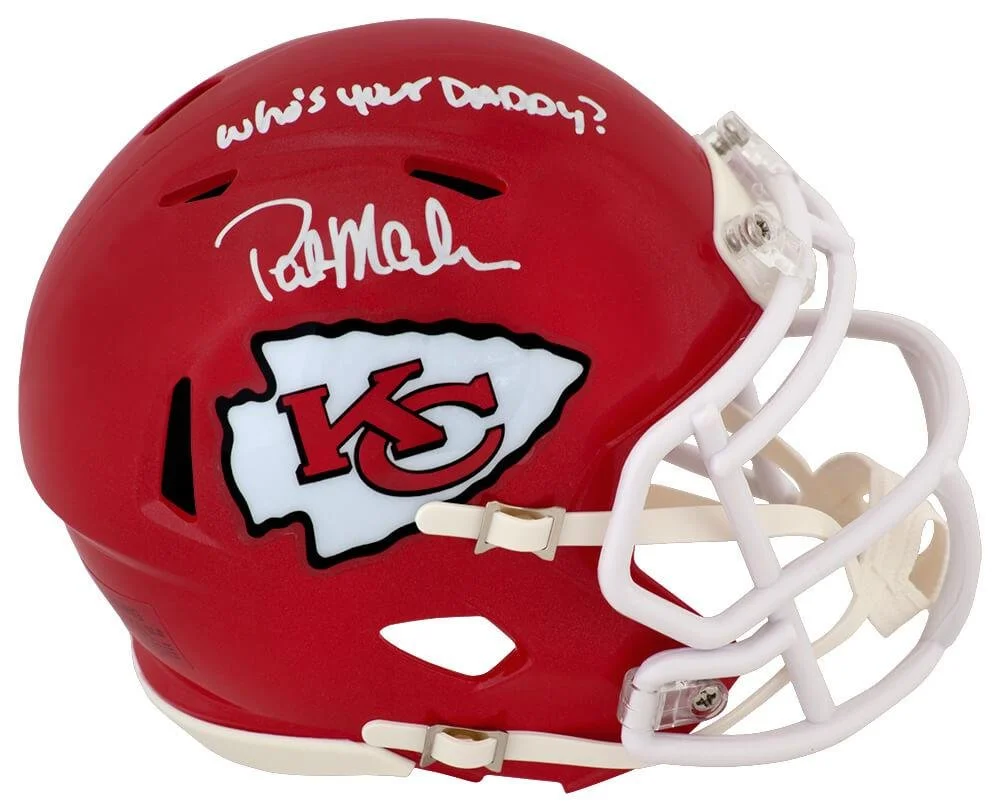
Coming out of Texas Tech, Patrick Mahomes was one of the most intriguing players in the 2017 draft, but also one of the hardest to project.
He played in an Air Raid offense, threw a lot of interceptions, and some teams weren’t sure how his game would translate to the NFL. But the Chiefs saw something others didn’t and traded up to No. 10 to get him.
After sitting for a year, Mahomes became a starter, won league MVP, multiple Super Bowls and Super Bowl MVPs, and turned Kansas City into a perennial contender — with his career still likely far from over.
Why it worked: The Chiefs trusted their evaluation of Mahomes's natural talent, his competitiveness, and his ability to process information quickly — and they were right.
Worst No. 10 Pick: Josh Rosen, QB, Cardinals (2018)
Josh Rosen was considered one of the most polished pocket passers in the 2018 draft class, a traditional quarterback many believed was the most “pro-ready” of the group. Arizona agreed, drafting him with their No. 10 selection.
But Rosen struggled behind a poor offensive line and never established himself. Arizona moved on after one season, using another first-round pick (No. 1) on quarterback Kyler Murray in the next draft. Rosen later spent time with Miami, Atlanta, and several practice squads, but reestablished himself as a starter.
Why it failed: Being the most "pro-ready" prospect doesn't ensure success when the surrounding infrastructure isn't in place to support development.
Key Takeaways: What the Best Top-10 Picks Have in Common
Looking across the best picks in top-10 NFL Draft history, a few patterns emerge:
Football intelligence matters as much as athleticism. Manning, Lott, and Matthews all succeeded because their minds were as sharp as their physical tools.
Character is hard to scout but impossible to replace. Several of the biggest busts — Russell, Leaf, Gholston — had elite measurables and poor outcomes.
Team context shapes careers. Rosen never got a fair runway. Peterson thrived partly because Minnesota built around him.
The "safe pick" doesn't exist. Aaron Curry was called draft-proof. Kevin White looked like a sure thing. Neither panned out.
This is Part 1 of a 3-part series leading up to the 2026 NFL Draft. Stay tuned for Parts 2 and 3.
Looking to own a piece of NFL history? Browse autographed memorabilia and collectibles from many of the players featured in this article at Pristine Auction.